

Bi-Injection Moulding Machines
Solutions for multi-material moulding, multi-colour moulding and overmoulding
Ripress solutions also enable the creation of fully integrated production cells, improving production efficiency and optimising energy consumption. This approach reduces subsequent processing and simplifies the production cycle, increasing operational continuity.
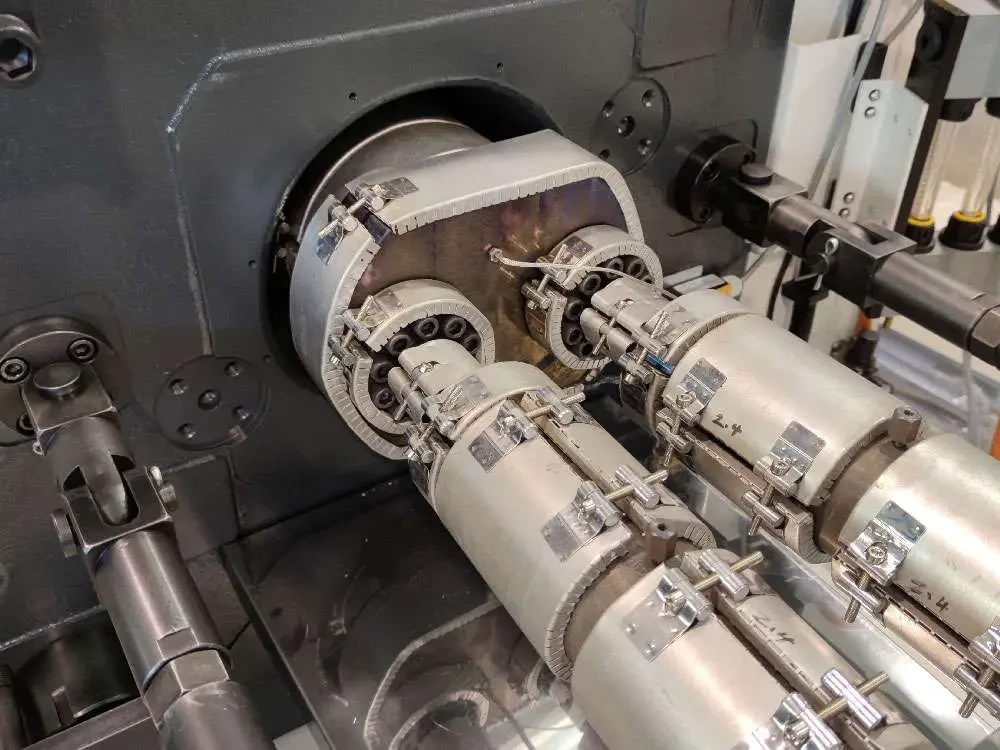
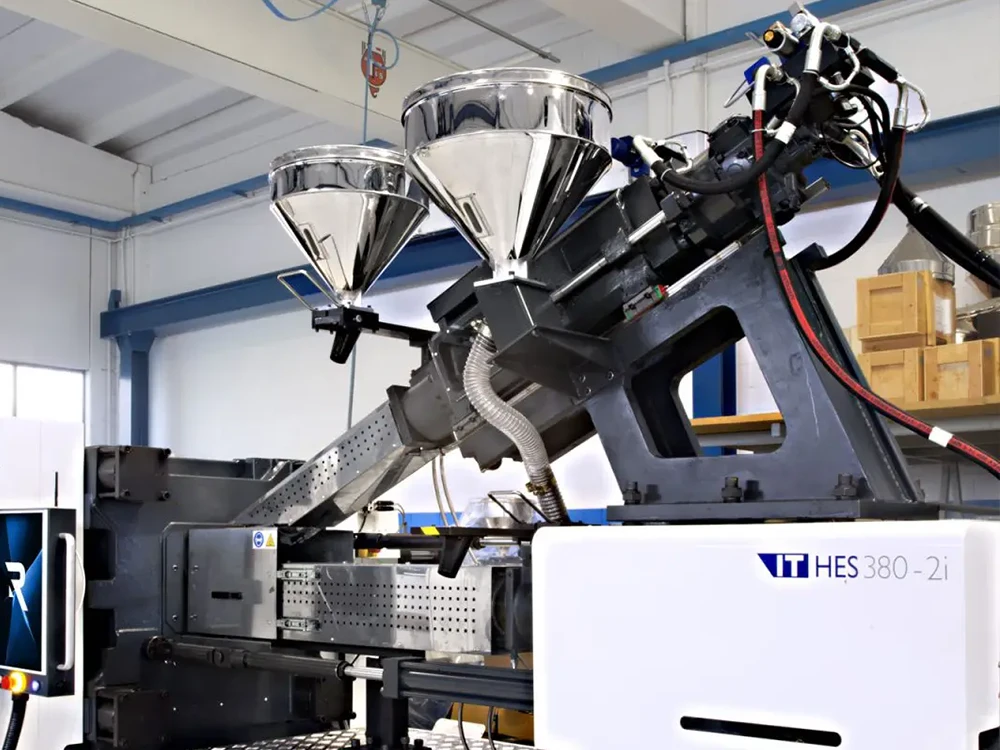
Machines best suited for bi-Injection moulding machines
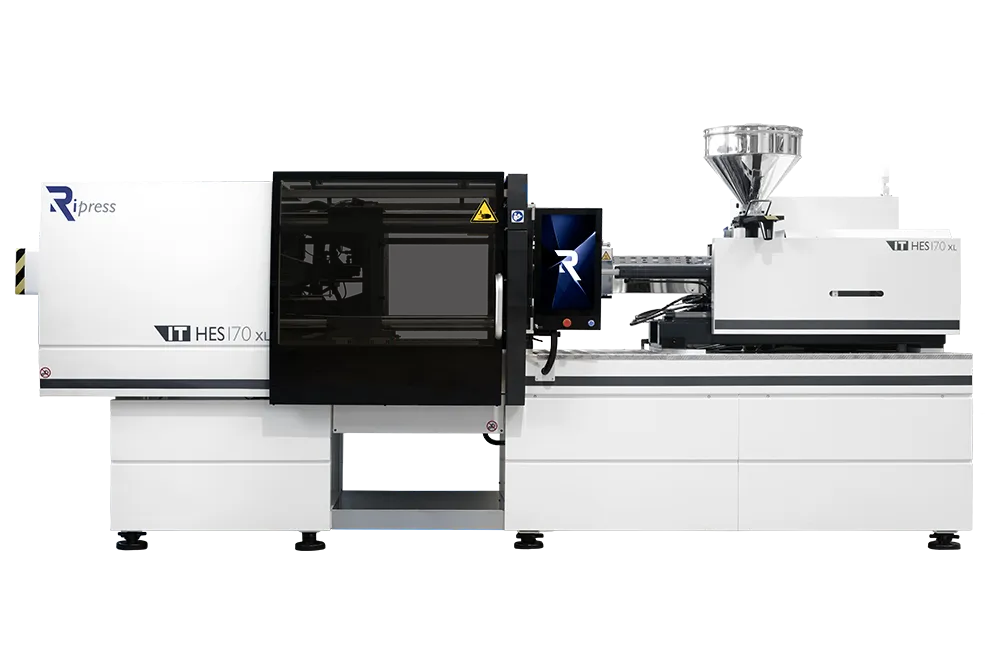


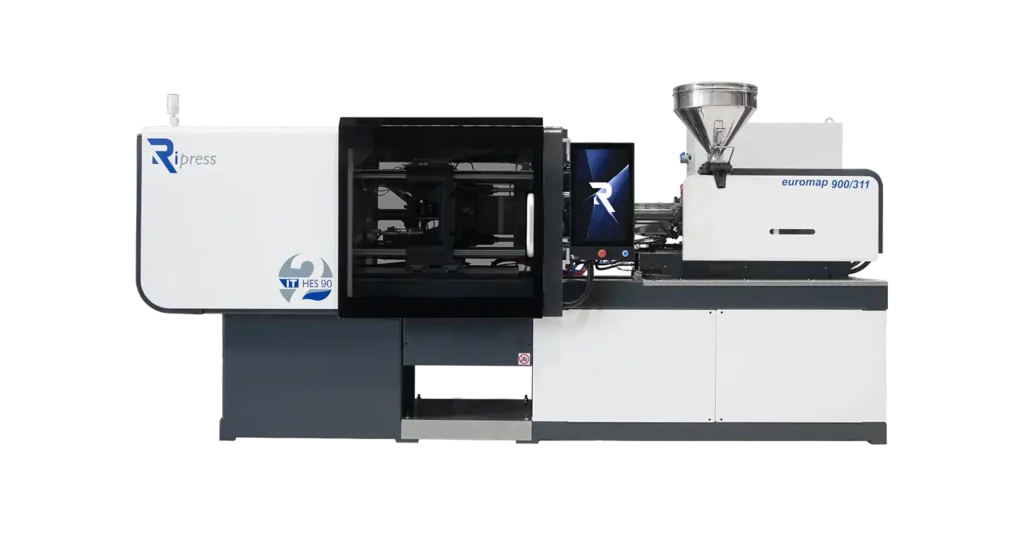
Ripress offers configurable solutions tailored to the production process, thanks to the freedom to combine and position the different injection units in relation to the clamping unit.
These configurations meet specific production requirements, such as:
- overmoulding of different materials
- moulding with a rotary table or movable inserts in the mould
- simultaneous moulding of the same material or different materials
Ripress solutions also enable the creation of fully integrated production cells, improving production efficiency and optimising energy consumption. This approach reduces subsequent processing and simplifies the production cycle, increasing operational continuity.
FAQ – Frequently asked questions about bi-injection moulding machines
What are the main configurations for bi-injection moulding?
How is adhesion between different materials ensured?
How does the machine configuration affect the final result?
What production advantages does bi-injection moulding offer?
Custom design
In bi-injection moulding, the machine configuration must be developed according to the component, the materials and the required moulding sequence.
Ripress develops custom solutions by configuring the machine in terms of:
- number and arrangement of the injection units
- integration with the clamping unit and mould
- management of injection sequences and process parameters
The aim is to ensure correct interaction between the materials, process stability and cycle repeatability, even in the most complex applications.
After-Sales Services and Technical Support
In bi-injection moulding applications, maintaining process control over time is essential to preserve product quality and reliability.
Ripress supports its customers with a dedicated after-sales service, working on both the machine and the process to optimise operating conditions.
The support service includes:
- customised technical support,
- spare parts supply,
- complete overhaul of injection moulding machines,
- technological upgrades,
- qualified technical consultancy,
- performance optimisation of existing machinery.